Spatial 3D / The technology behind Discover
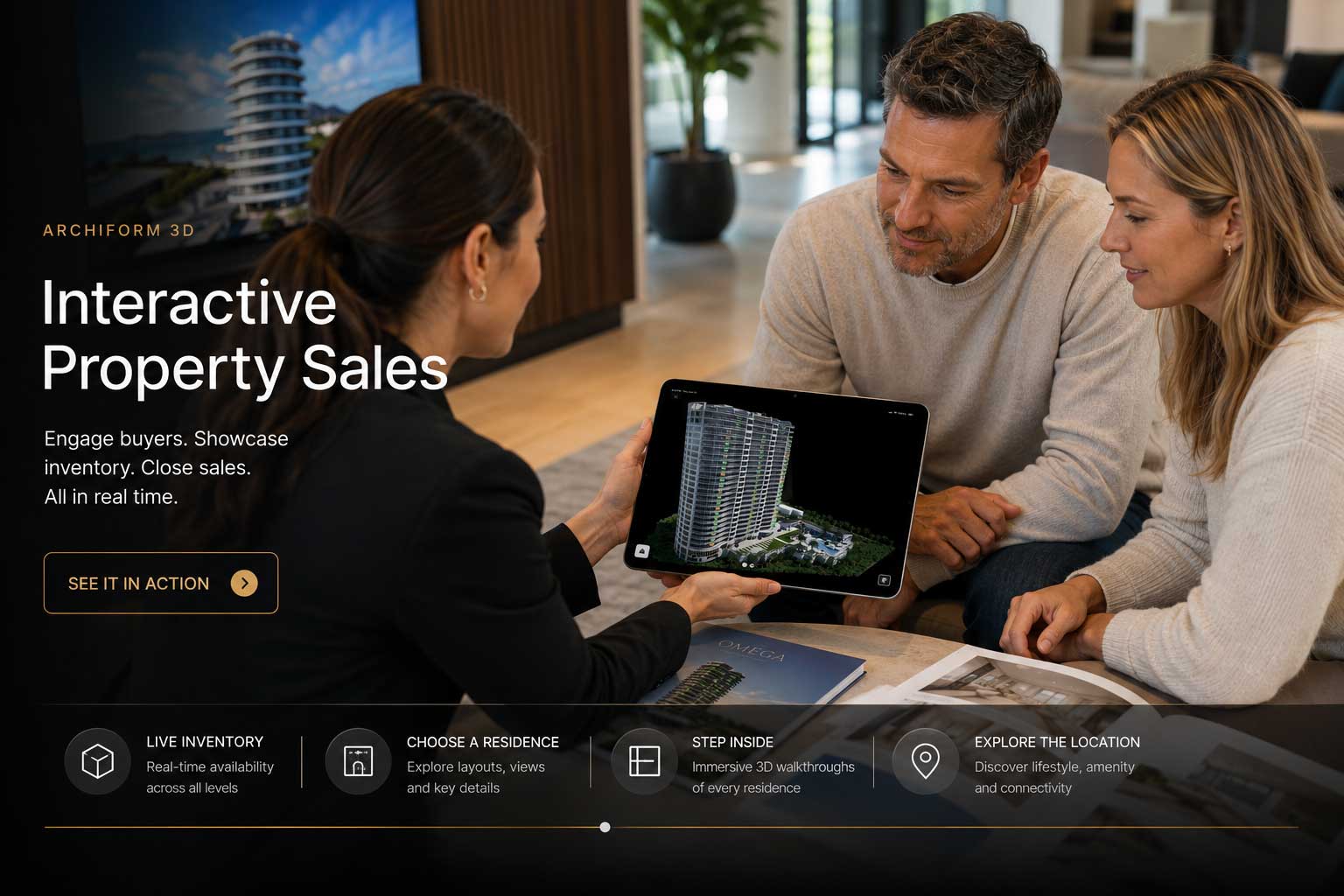
Spatial 3D is the technology inside Discover, Archiform 3D’s property sales platform.
It allows buyers and sales teams to move naturally through connected residences, amenities and development environments directly in a browser on phone, tablet or desktop.
For clients, the important part is simple: one link, no app, no specialist hardware and immediate access to the project.
Spatial 3D powers Discover
Discover is the product used by sales teams. Spatial 3D is the enabling technology that makes continuous movement, connected project spaces and natural browser-based interaction possible.
The result is a practical sales tool rather than a technical demonstration.
Explore DiscoverIntegrated project inventory
Discover can connect directly to project inventory, allowing buyers to view available, under-contract and sold residences while they explore the development.
Residence type, area, bedrooms, bathrooms and price can appear in context, supported by database-driven updates.
Learn more about integrated inventoryExplore live examples
These browser-based examples show the technology behind Discover across residences, amenities, high-rise developments, destinations, products and integrated inventory.
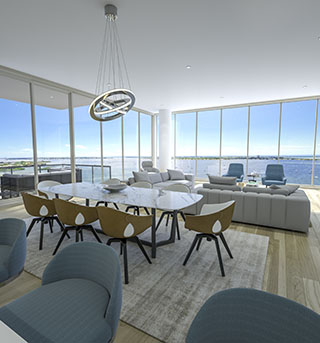
Epoch Sarasota Type C
A residence example showing natural movement, spatial understanding and browser-based access.
Open example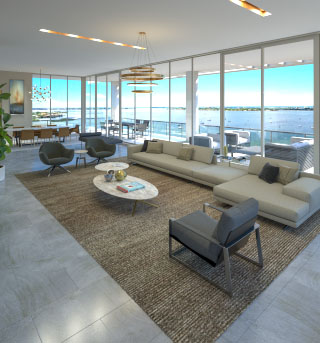
Epoch Sarasota Type D
A larger residence example demonstrating connected movement through the home.
Open example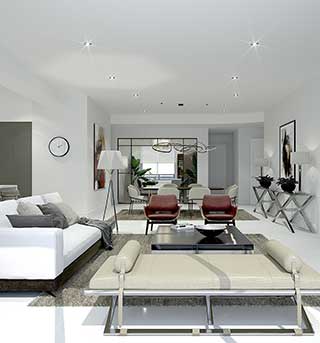
Altura Type 2
A high-rise residence with selectable floor-level views and guided project information.
Open example
Central Ave
A connected amenity experience with pools, cabanas, club facilities, fitness spaces, courtyards and integrated inventory.
Open example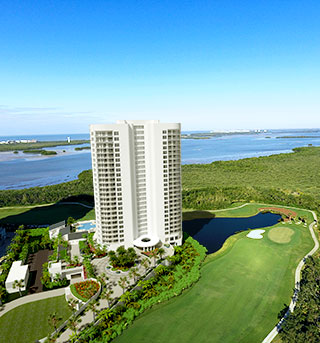
Omega
A complete high-rise project presentation linking the tower, residences, amenities and inventory.
Open example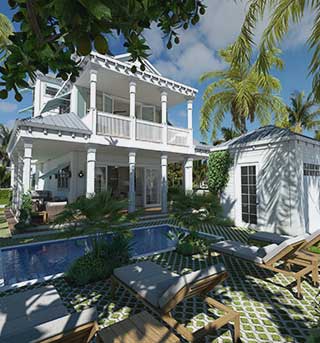
Sunset Key
A coastal residence showing the relationship between interiors, outdoor spaces and landscape.
Open example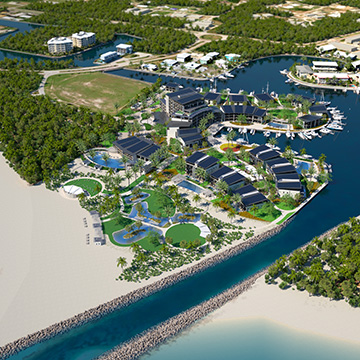
Xanadu Resort
A large waterfront destination connecting beaches, amenities, arrival spaces, marina areas and inventory.
Open example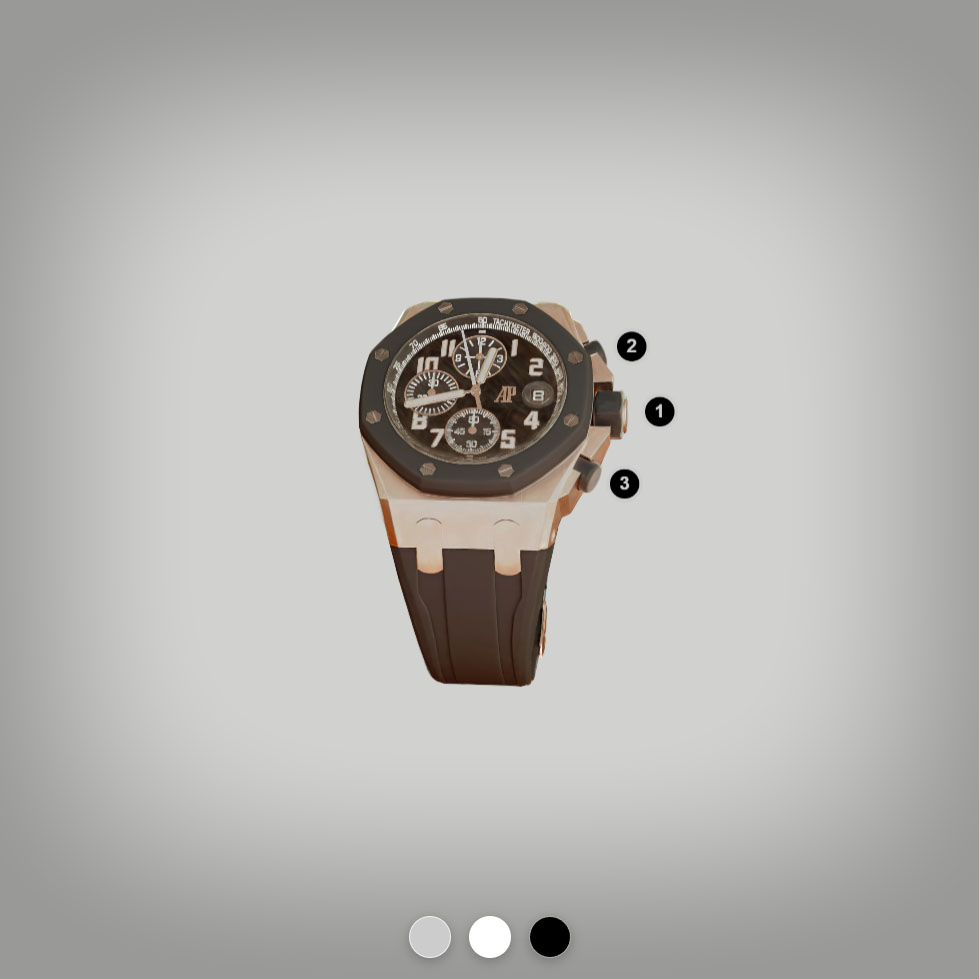
Product Experience: Watch
A detailed product example showing how the same technology can present objects with scale, material and presence.
Open exampleOn mobile, use the left side of the screen to move and the right side to look around. Allow a few seconds for larger projects to load.
The aim is to make the technology disappear.
Buyers should not need to understand how the project is produced. They should simply be able to enter, move, compare and understand.
Spatial 3D supports the parts of Discover that matter most in a sales conversation: connected spaces, natural movement, floor-level view changes, contextual information and project inventory.
Because everything runs in-browser, the same project can be presented in a sales gallery on iPad and large screen, shared by email or QR code, and continued later on the buyer’s own phone or computer.
Spatial 3D remains the technology. Discover is the sales platform built around it.
See the complete sales platform
Discover brings the project, residences, amenities, inventory, view switching and anonymous buyer analytics together in one connected experience.
Visit Discover