One of the greatest challenges in real-time architectural visualisation has always been balancing image quality against performance.
A sophisticated architectural environment can contain enormous amounts of visual information. A powerful desktop workstation may handle that complexity comfortably, while a tablet or older laptop has much more limited resources.
Traditionally, this creates an uncomfortable compromise: reduce the quality of the experience to accommodate less powerful devices, or restrict the audience to hardware capable of handling the full scene.
Archiform 3D's new Adaptive Spatial 3D system takes a more intelligent approach.
One environment. Different capabilities.
Adaptive Spatial 3D recognises that not all devices are created equal.
A modern graphics workstation, a high-performance laptop and a mobile phone have very different processing and memory capabilities. They shouldn't all be expected to render the same amount of information.
Instead, the experience is configured to operate within a suitable performance budget for the device.
More capable hardware can take advantage of additional visual detail. Less powerful devices receive a more economical representation of the same environment.
The result is a single spatial experience designed to adapt to its audience, rather than requiring separate projects for different classes of hardware.
Streaming changes the equation
An important part of this development is the adoption of Streamed SOG — a streaming format for 3D Gaussian splats.
Rather than treating an entire high-detail scene as a single file that must be loaded and displayed at once, streamed SOG organises the environment into spatial regions with multiple levels of detail.
As the viewer moves, the system can load and prioritise the information that contributes most to the current view.
Areas requiring greater detail receive more rendering resources. Other regions can be represented more economically.
This reduces unnecessary memory consumption, improves the management of large environments and allows visual detail to become available progressively.
The underlying streamed SOG technology is part of the PlayCanvas ecosystem. Archiform 3D has incorporated it into its own Spatial 3D workflow, together with configurable device-sensitive performance management.
Higher quality without restricting the audience
The real benefit is not simply faster loading or fewer graphical demands.
It's the freedom to create more detailed architectural environments without designing every experience around the limitations of the least powerful device.
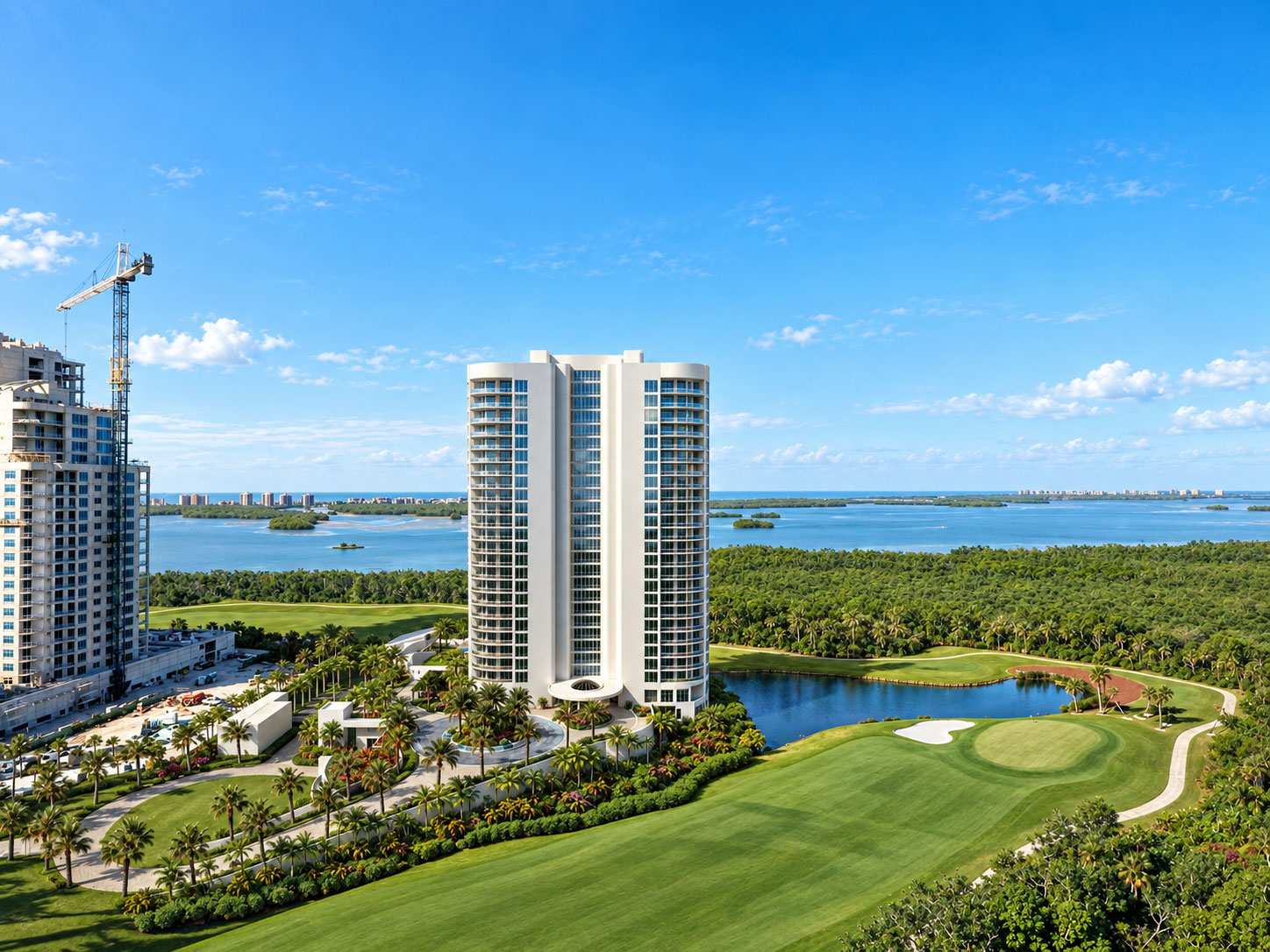
Complex landscapes, extensive developments and richly detailed architectural scenes become more practical to deliver to a broad audience.
A prospective buyer can explore on a phone. A sales professional can demonstrate the same project on a laptop. A presentation suite equipped with a powerful graphics workstation can make use of considerably greater visual detail.
The experience remains connected, while its rendering demands are adapted to the hardware.
Actual performance still depends on device capabilities, browser support, network conditions and the complexity of the scene.
No remote rendering required
Adaptive Spatial 3D operates directly in the viewer's compatible web browser.
Unlike pixel-streaming systems, which render the experience on a remote computer and transmit the resulting video, Archiform 3D's Spatial 3D environment is rendered on the viewer's own device.
There is no specialist application to install and no dedicated cloud graphics workstation required for each visitor.
This approach also avoids the per-session remote GPU costs commonly associated with pixel-streamed experiences.
Already in action
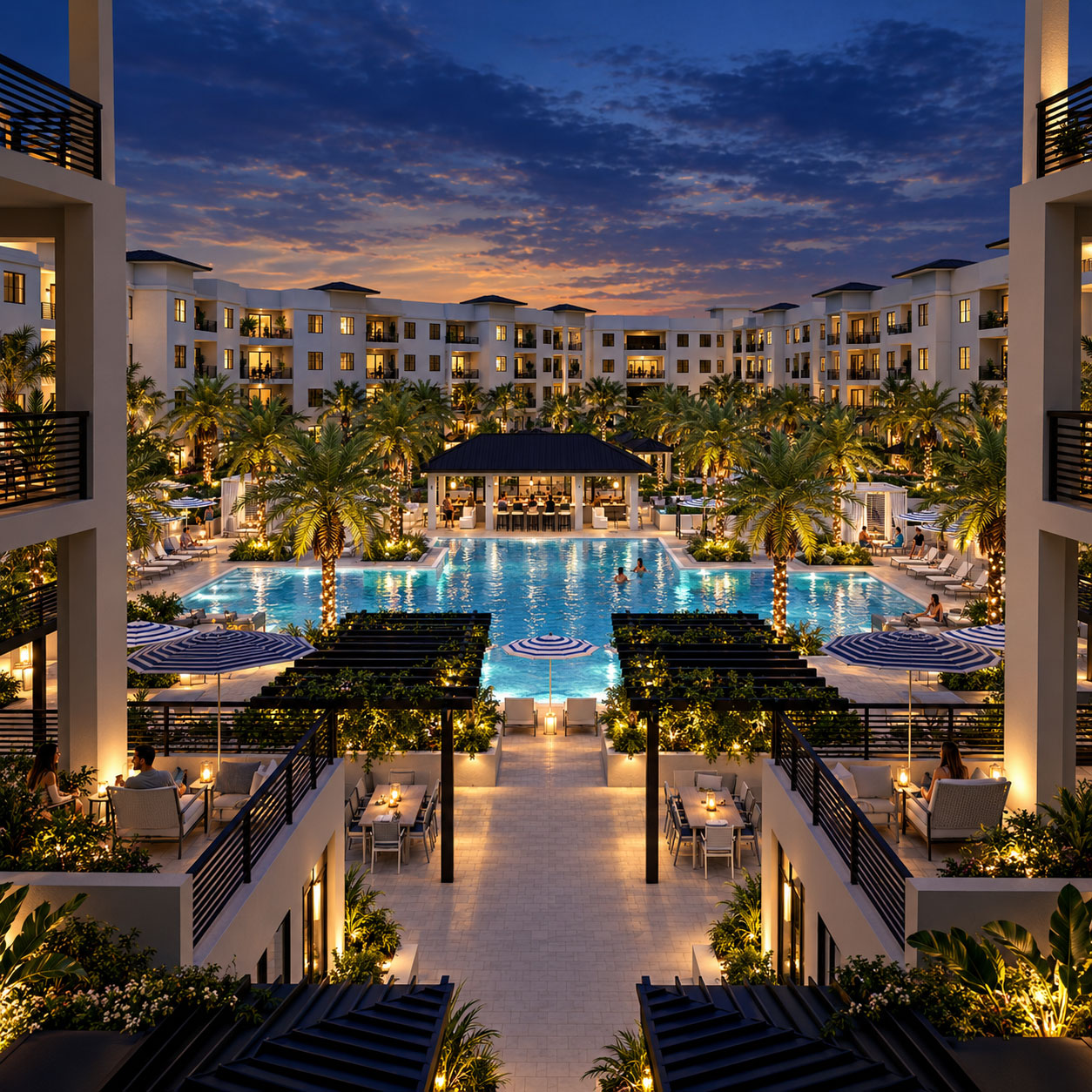
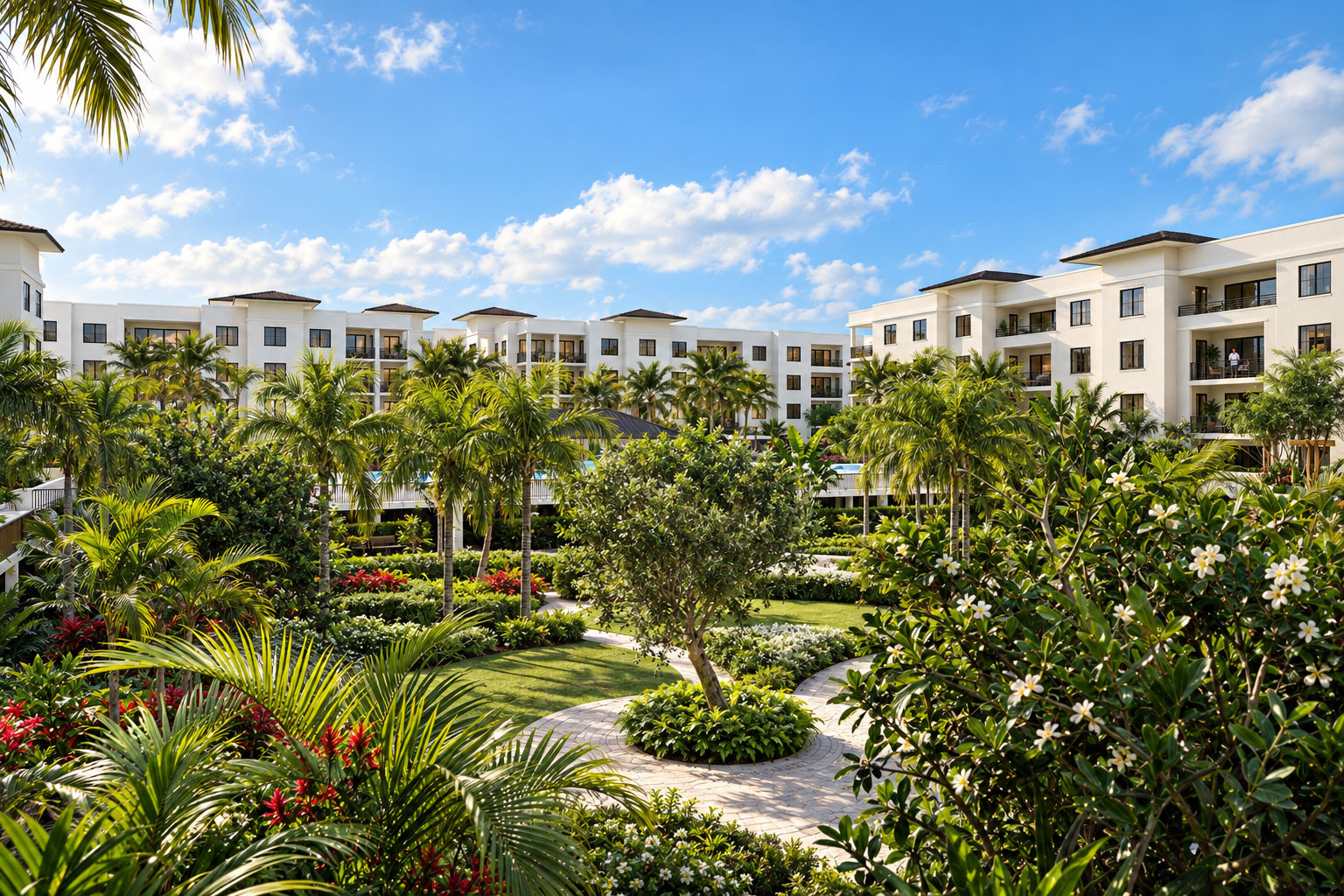
The latest Central Ave experience demonstrates Adaptive Spatial 3D in a richly landscaped residential setting.
Visitors can explore the courtyard, pool deck and surrounding architecture while the system manages the visual workload appropriate to their device.
The technology provides a foundation for increasingly ambitious Spatial 3D projects, from individual properties to large residential communities and complex masterplanned environments.
The goal is straightforward: create the best visual experience the hardware can comfortably deliver, without compromising the ambition of the project itself.