Virtual tours have become familiar across property marketing, architecture, hospitality and tourism.
They allow visitors to look around a room, examine a property and gain an impression of a place without being physically present.
But the term 3D tour now covers several very different technologies, and the distinction between them matters.
Some experiences are built around panoramic photographs. Others use navigable 3D geometry or volumetric representations.
Archiform 3D's Spatial 3D belongs firmly in the latter category.
It isn't a collection of photographs that visitors jump between. It's a continuous three-dimensional environment that responds to the viewer's movement in real time.
What is a panoramic virtual tour?
A conventional 360-degree panorama captures the view from a particular position.
The image is mapped onto a virtual sphere, allowing visitors to turn their viewpoint in any direction. Looking left, right, up or down creates the impression of standing inside the space.
This can be remarkably effective, especially when the original photography is well executed.
But there is a fundamental limitation: the viewer remains at the position from which the panorama was captured.
To explore elsewhere, many virtual tour systems connect a series of panoramic viewpoints. Click a marker and the experience jumps or transitions to the next location.
You can look around each position, but you cannot necessarily move freely between them.
And because each panorama is a photograph taken from a fixed location, it cannot reproduce the continuously changing spatial relationships you would see while walking through the actual environment.
What makes true Spatial 3D different?
Imagine standing beside a swimming pool.
With a panorama, you can turn around and look at the gardens, the buildings or the water from that fixed position.
With true Spatial 3D, you can also move.
Walk towards the pool. Move sideways to see behind a column. Approach the landscaping. Turn around and look back towards the buildings from somewhere entirely different.
As your position changes, the perspective responds naturally.
Nearby objects move relative to distant ones. Previously hidden surfaces become visible. The relationships between architecture, landscape and surrounding spaces can be experienced rather than simply observed.
This changing perspective — known as parallax — is one of the defining characteristics of genuine spatial navigation.
There is no need to jump from one predetermined panorama position to another. Within the prepared environment, the visitor controls the movement continuously.
Real-time exploration, not a prerecorded presentation
Spatial 3D is also fundamentally different from architectural animation.
An animation follows a camera path selected by its creator. It can be beautifully produced, with controlled lighting, composition and timing, but the viewer remains an observer.
In Spatial 3D, the viewer decides where to go.
They can linger in the courtyard, examine the entrance, change direction or return to something that caught their attention.
The environment is rendered interactively in real time. The camera responds to the viewer rather than following a predetermined sequence.
For property marketing, this changes the nature of the experience.
Instead of being shown only what the presentation designer selected, buyers can investigate the parts of a development that matter to them.
Bringing unbuilt architecture into three dimensions
Archiform 3D combines detailed architectural visualisation with Gaussian splatting technology to create navigable spatial environments.
Importantly, these experiences don't require a finished building to be photographed or scanned.
They can be developed from architectural designs and computer-generated imagery, allowing proposed buildings, landscapes and entire developments to become interactive places long before construction.
That opens up possibilities that traditional photographic virtual tours cannot provide for unbuilt projects.
A prospective buyer can explore the setting of a future residence. Developers can present landscape and architectural relationships in context. Project teams can communicate the character of a proposed environment in a more immediate way.
Why the distinction matters
The value of Spatial 3D isn't simply that the technology is different.
It's that freedom of movement creates a different understanding of place.
A photograph can show an attractive courtyard.
An animation can introduce the buildings and amenities.
A genuine spatial environment lets someone explore the relationship between them.
It allows prospective buyers to develop their own impressions of scale, proximity, outlook and atmosphere, while remaining in control of the experience.
Panoramic tours remain useful, and some other 3D tour systems also provide genuine spatial navigation. The important question is not what a product calls itself, but what the visitor can actually do.
Can you move naturally through the environment, change your position and see the space respond in three dimensions?
That's the distinction worth experiencing.
See the difference for yourself
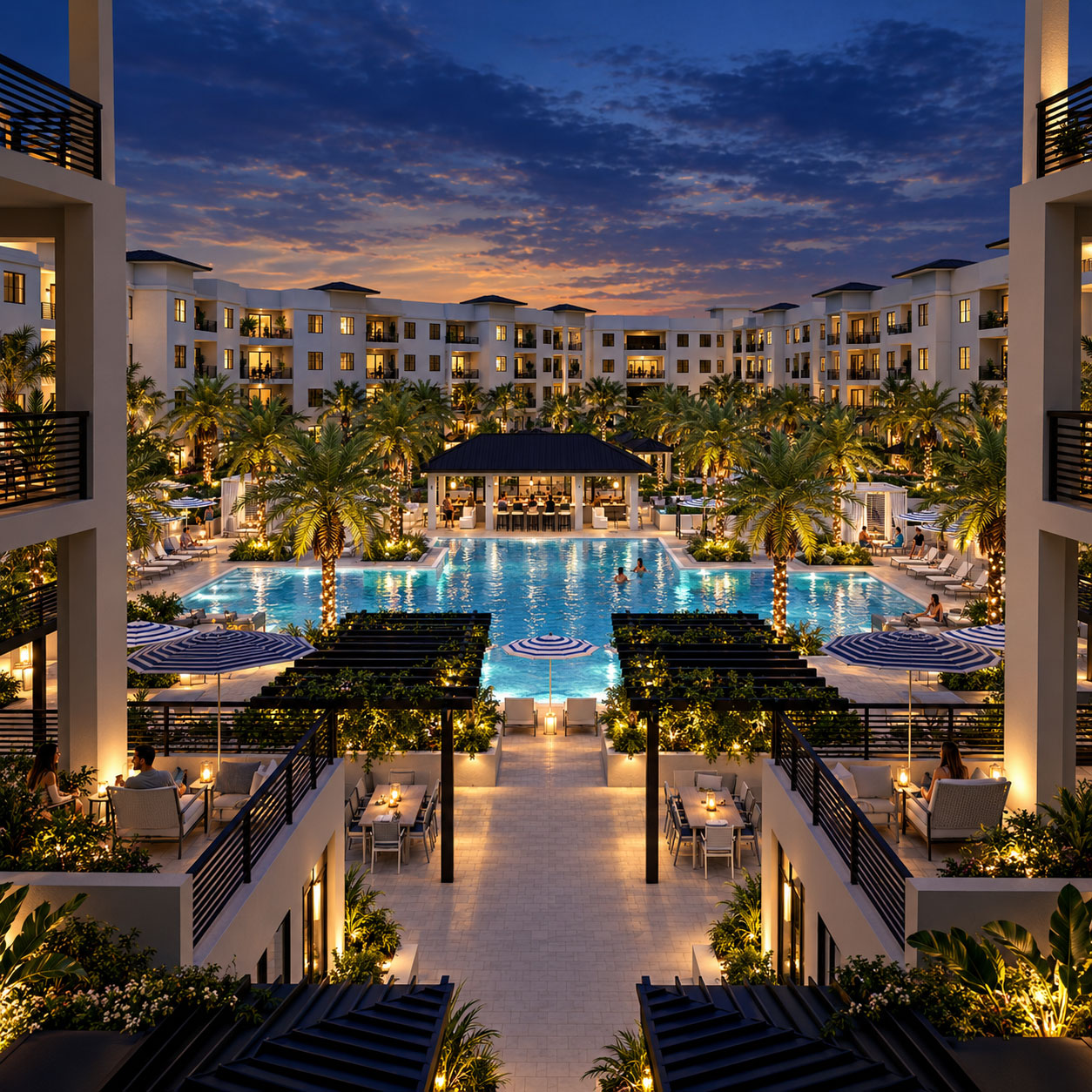
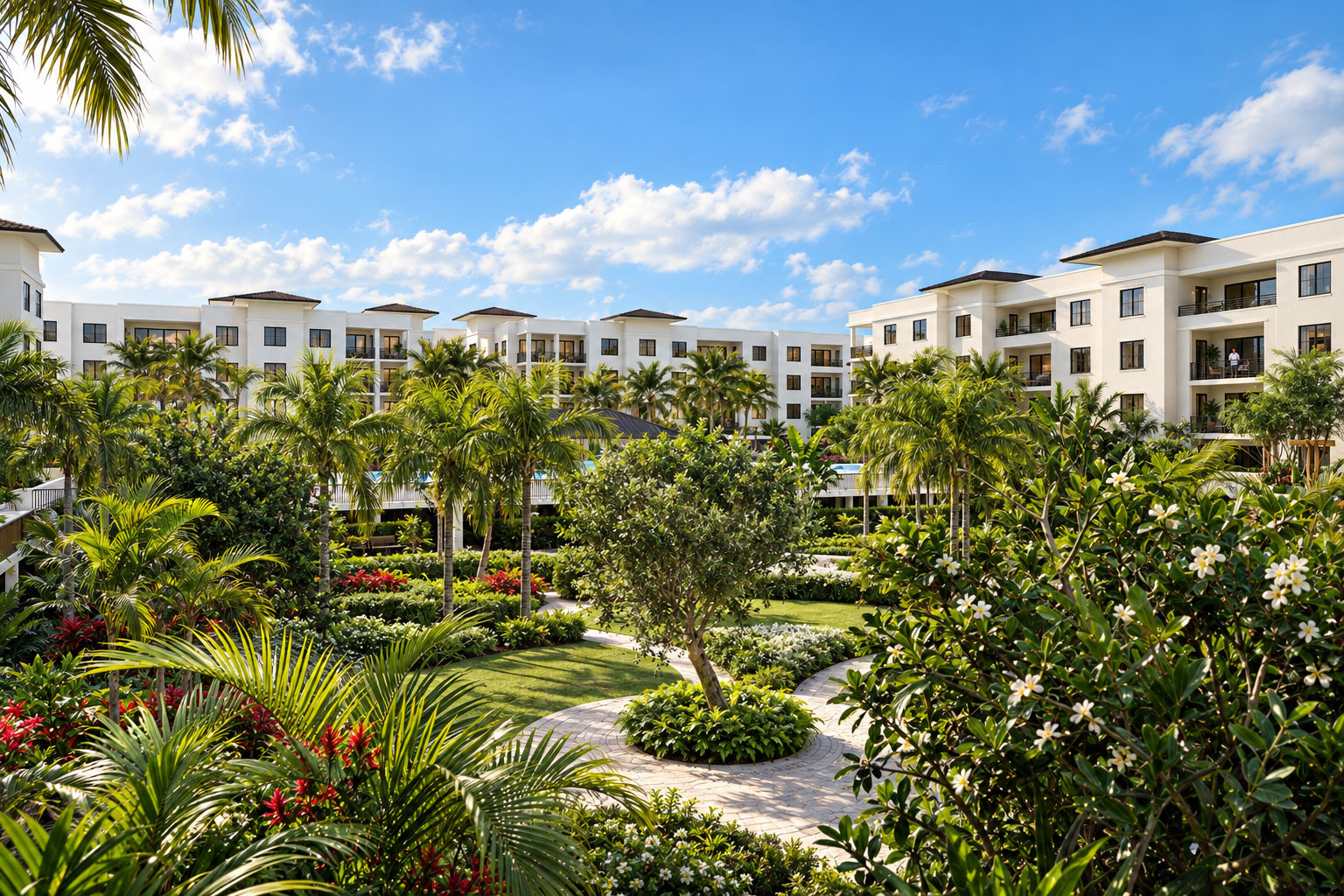
Archiform 3D's Central Ave experience offers a particularly compelling demonstration.
Explore the landscaped courtyard and pool deck. Move around the buildings. Examine the environment from your own chosen viewpoints, rather than a series of fixed camera positions.
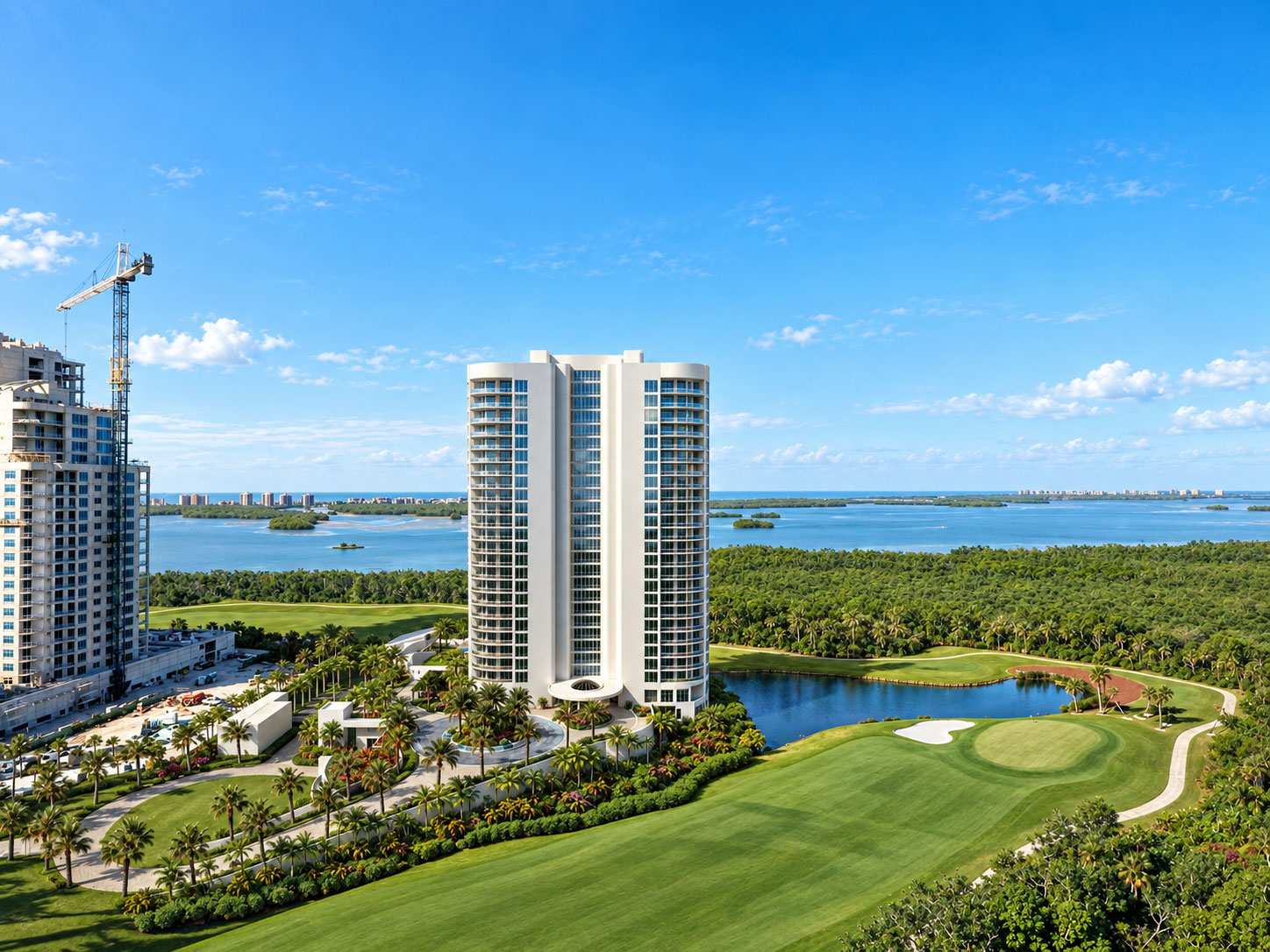
For a different example, Omega brings real-time spatial exploration together with interactive residence selection and project information.
Both experiences demonstrate how architectural visualisation can become something more than imagery.
Not just a view of the project. A place to explore.